
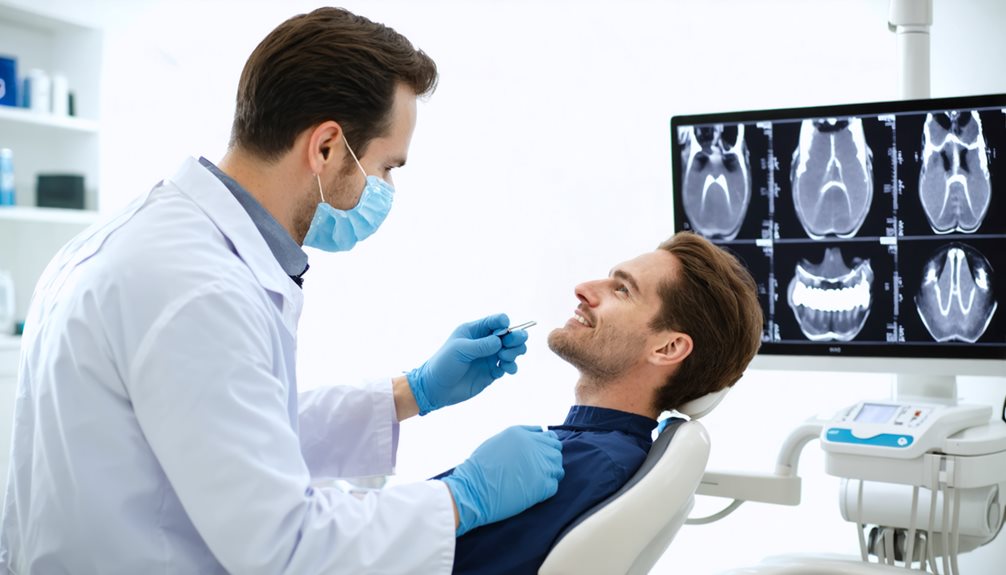
When you’re looking for the best in oral cancer screening, it’s essential to find experts who focus on patient-centric care. These professionals don’t just rely on cutting-edge technology; they genuinely care about creating a personalized experience. You’ll discover how their approach combines advanced diagnostic tools with tailored follow-up plans, ensuring a thorough and compassionate evaluation. But what truly sets them apart is their commitment to empowering you through open communication and preventive strategies. Curious about who these top seven experts are and how they can enhance your oral health journey? Let’s explore their unique methods and holistic approaches.
Comprehensive Oral Health Evaluation
A thorough oral health evaluation is an important step in maintaining your overall health and well-being. By prioritizing this evaluation, you’re taking control of your oral hygiene and reducing potential risk factors that could compromise your health. During an oral health evaluation, a dental professional will examine your mouth, teeth, gums, and throat. This detailed assessment aims to identify any signs of disease, decay, or abnormalities that may need immediate attention.
Understanding the risk factors associated with oral health issues is vital. These can include smoking, excessive alcohol consumption, and poor oral hygiene practices. By identifying these risk factors early, you can take proactive measures to mitigate them. This might involve adopting better oral hygiene habits, such as regular brushing and flossing, or making lifestyle changes that promote healthier choices.
Personalized Screening Techniques
Frequently, personalized screening techniques in oral cancer detection offer a tailored approach that considers your unique risk factors and health profile. By prioritizing individual risk assessment, these methods empower you to take control of your health. Instead of a one-size-fits-all strategy, customized screening protocols are crafted based on your lifestyle, genetic predispositions, and any pre-existing conditions. This means that your screening experience is specifically designed for you, increasing the likelihood of early detection and effective management.
You might wonder how this works. Initially, healthcare providers conduct a thorough evaluation, gathering detailed information about your habits, family history, and any symptoms you may have noticed. This data is essential in determining your specific risk level and the appropriate screening frequency. For example, if you have a history of tobacco use or a family background of oral cancer, your screening protocol will reflect these factors, ensuring you receive the attention you need when you need it.
Moreover, personalized techniques often include education about preventive measures, empowering you to make informed decisions. By embracing these personalized approaches, you gain a sense of control over your health journey, fostering peace of mind in the process.
Advanced Diagnostic Tools
You’re about to explore the impressive world of advanced diagnostic tools in oral cancer screening. Cutting-edge technology now enables more precise and early detection, transforming patient outcomes. These innovative techniques empower experts to identify potential issues with greater accuracy, making screenings both efficient and reassuring.
Cutting-Edge Screening Technology
In today’s rapidly evolving medical landscape, cutting-edge screening technology is revolutionizing the way oral cancer is detected and diagnosed. By integrating salivary diagnostics and AI algorithms, you can now gain unprecedented insights into your health. Salivary diagnostics offer a non-invasive, efficient method to identify potential cancer markers. This approach uses your saliva, which contains biomarkers indicative of oral cancer, allowing for early detection without the discomfort of traditional procedures.
AI algorithms further enhance this process by analyzing vast amounts of data with precision and accuracy. These algorithms can identify patterns and anomalies in your diagnostic results that might be imperceptible to the human eye. This means that you can receive a more accurate diagnosis, leading to better treatment outcomes. With these technologies, you’re not just reacting to cancer; you’re proactively managing your health.
As a patient, you value control over your health journey, and these advancements offer just that. By staying informed and embracing these cutting-edge tools, you can take an active role in your healthcare decisions. Empower yourself with knowledge and trust in the technology that supports your well-being. These innovations guarantee that you’re at the forefront of preventive care.
Innovative Detection Techniques
Building on the transformative power of cutting-edge technology, innovative detection techniques have emerged as the cornerstone of advanced diagnostic tools in oral cancer screening. As someone seeking control over your health, understanding these techniques can empower you to make informed decisions. Saliva analysis, a non-invasive and efficient method, plays a significant role. By examining biomarkers present in your saliva, healthcare experts can detect potential malignancies early, even before symptoms manifest. This technique not only enhances accuracy but also offers a more comfortable experience compared to traditional biopsies.
Genetic testing is another essential tool shaping the future of oral cancer diagnostics. By analyzing your genetic material, professionals can identify specific mutations or predispositions that increase your risk of developing oral cancer. This personalized approach allows for tailored screening strategies, enabling early intervention and more effective treatment plans. You’re no longer a passive participant in your healthcare journey; instead, you actively engage with your genetic information to mitigate risks.
These advanced diagnostic tools, including saliva analysis and genetic testing, are revolutionizing oral cancer screening. They provide you with the insights needed to prioritize your health, ensuring early detection and timely intervention. With these techniques, you’re equipped to take charge of your future.
Compassionate Patient Care
Amidst the clinical setting of oral cancer screening, compassionate patient care emerges as a cornerstone that can greatly enhance the patient experience. When you’re maneuvering a potentially intimidating process, the presence of patient support becomes invaluable. You want to feel understood and heard, and this is where empathetic communication comes into play. Talking openly about your concerns with a healthcare provider who listens intently can alleviate anxiety. It guarantees that you’re not just another case, but rather an individual with unique needs.
Compassionate care isn’t just about kindness; it’s an approach that empowers you. By receiving clear explanations and being involved in your care decisions, you gain the understanding needed to make informed choices. This sense of control can considerably reduce the stress associated with screenings. Furthermore, when a healthcare provider is attentive and responsive, it fosters a trusting relationship, making the entire process smoother and more reassuring.
Ultimately, it’s about creating a safe space where you feel comfortable to express your fears and expectations. In doing so, compassionate care transforms a clinical procedure into a collaborative journey, guaranteeing that your voice is integral to the experience.
Expert Preventive Strategies
Emphasizing the importance of expert preventive strategies, oral cancer screening can greatly reduce the risk of advanced disease. You can take charge of your health by understanding and implementing these strategies, starting with a thorough risk assessment. This assessment considers various factors like age, lifestyle, and genetic predispositions, providing you with a personalized risk profile. Armed with this knowledge, you can make informed decisions about your health and screening needs.
Lifestyle modifications play an essential role in preventing oral cancer. By reducing tobacco and alcohol use, you can markedly lower your risk. Adopting a balanced diet rich in fruits and vegetables also supports oral health. Regular dental check-ups offer an opportunity to discuss any concerns and guarantee early detection of potential issues. Staying informed and proactive gives you control over your oral health journey.
It’s all about taking small, manageable steps towards a healthier lifestyle. These adjustments not only reduce the risk of oral cancer but also improve your overall well-being. By actively participating in your health management, you empower yourself to minimize risks and embrace a future with fewer health uncertainties.
Tailored Follow-Up Plans
Creating a tailored follow-up plan is vital in maintaining effective oral cancer prevention and care. It empowers you to take charge of your health journey by ensuring continued monitoring and intervention when necessary. Engaging actively in this process allows you to address any concerns early, enhancing your chances of successful outcomes. A customized plan considers your unique needs, lifestyle choices, and risk factors, promoting a proactive approach.
Patient engagement is a fundamental component of an effective follow-up strategy. It involves open communication with your healthcare provider and an active role in decision-making. By understanding your follow-up plan, you can make informed choices that align with your health goals. Regular appointments and screenings become opportunities for you to discuss progress, ask questions, and adapt strategies as needed.
Incorporating lifestyle modifications into your follow-up plan is another important aspect. These changes, such as improving your diet, quitting smoking, or managing stress, can greatly reduce your risk of developing oral cancer. By aligning these modifications with your tailored plan, you gain greater control over your health outcomes. Remember, your follow-up plan isn’t static; it evolves with you, ensuring it remains relevant and effective.
Holistic Treatment Approach
A holistic treatment approach to oral cancer screening goes beyond just addressing the physical symptoms; it considers the whole person, including emotional, mental, and social factors. By focusing on the mind-body connection, you empower yourself with a thorough strategy that prioritizes overall well-being. Integrative therapies play a vital role in this approach, offering complementary methods alongside traditional treatments. Techniques like mindfulness, yoga, and acupuncture can help manage stress, boost immune function, and improve your quality of life.
When you embrace a holistic treatment plan, you’re not just a passive recipient of care. You actively participate in your health journey, making informed choices that align with your values and lifestyle. This empowerment can lead to better outcomes and a more satisfying healthcare experience. Healthcare providers specializing in this approach understand the importance of listening to your concerns and crafting personalized plans that meet your unique needs.
Frequently Asked Questions
What Qualifications Should an Oral Cancer Screening Expert Possess?
You’ll want an oral cancer screening expert with a qualifications overview including a dental or medical degree, specialized training in oral pathology, and expert credentials like ongoing education and experience in early detection methods to guarantee thorough care.
How Frequently Should Oral Cancer Screenings Be Conducted?
You should schedule oral cancer screenings annually, but consult your dentist for personalized screening frequency. Patient recommendations may vary based on risk factors, so maintaining open communication guarantees your screenings align with your specific health needs.
Are There Any New Emerging Technologies in Oral Cancer Detection?
You’re curious about new technologies in oral cancer detection. Saliva testing offers a non-invasive method, while AI imaging enhances accuracy and speed. These advancements empower you to take control of your health with cutting-edge screening options.
What Are the Common Risk Factors for Oral Cancer?
You’re curious about oral cancer risk factors. Tobacco use and excessive alcohol consumption are leading contributors. Control your risk by avoiding these habits. Regular dental check-ups and a healthy lifestyle can also help in prevention. Stay informed!
Can Lifestyle Changes Reduce the Risk of Oral Cancer?
Yes, you can reduce your oral cancer risk by adopting lifestyle changes. Focus on dietary modifications, like eating more fruits and vegetables, and prioritize tobacco cessation. These proactive steps empower you to take control of your health.

