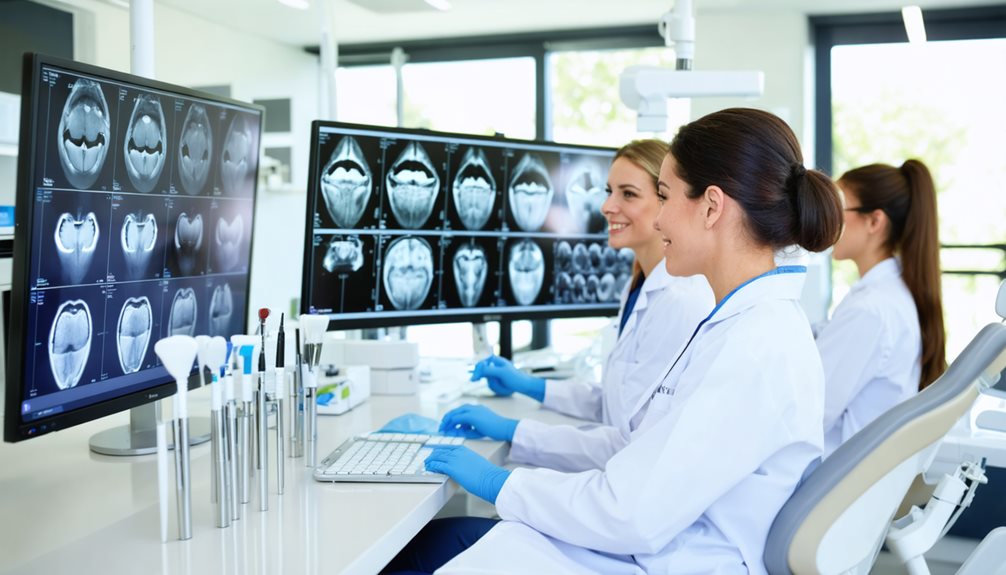
When you’re looking for top local dentists specializing in oral cancer screenings, it’s essential to find ones that use cutting-edge technologies like VELscope or OralID. These tools help guarantee that any potential issues are detected early, giving you peace of mind. But how do you know which facilities truly prioritize both precision and patient education? Testimonials can offer insights, but only if they’re from patients who’ve experienced thorough care. Are there specific qualities you should focus on when choosing a clinic? Let’s explore what makes some dentists stand out in this vital aspect of oral health.
Leading Clinics for Screenings
When it comes to guaranteeing early detection and effective management of oral cancer, precision is paramount, and choosing the right clinic for screenings is essential. Selecting a clinic with state-of-the-art screening technologies markedly enhances the accuracy and reliability of your results. Advanced tools such as VELscope, Identafi, and OralID are pivotal in identifying abnormal tissues that could indicate early signs of oral cancer. These technologies provide non-invasive, real-time visualization of your oral cavity, allowing for the prompt identification of potential issues.
In addition to technology, patient testimonials play an important role in your decision-making process. They offer firsthand insights into the experiences of others and the level of care provided by a clinic. Look for clinics with a consistent history of positive testimonials, as they often reflect a commitment to patient-centered care and successful outcomes. Consider reviews that highlight the thoroughness of screenings, the professionalism of staff, and the overall patient experience. By prioritizing clinics that excel in both technology and patient satisfaction, you’re taking an informed step towards proactive oral cancer management. This approach guarantees you maintain control over your health and well-being.
Expert Dental Practitioners
Selecting the right clinic is only part of the equation; the expertise of the dental practitioners is equally important in achieving thorough oral cancer screenings. Expert practitioners provide a level of preventive care that not only identifies potential issues early but also empowers you with valuable patient education. Here’s what you should look for in expert dental practitioners:
- Comprehensive Training: Verify your practitioner has specialized training in oral cancer detection. This includes understanding the nuances of oral anatomy and the latest screening technologies. Their expertise allows them to identify abnormalities that might go unnoticed by less experienced professionals.
- Preventive Care Philosophy: A practitioner committed to preventive care will focus not just on treatment but on strategies to minimize your risk. This includes regular check-ups and lifestyle advice tailored to your specific needs, aligned with the latest research and methodologies.
- Patient Education Initiatives: Look for practitioners who prioritize patient education. They should provide you with the knowledge to understand risk factors and the importance of regular screenings. This empowers you to make informed decisions about your oral health.
Top-Rated Screening Facilities
Identifying top-rated screening facilities is essential for ensuring high-quality oral cancer screenings. When choosing a facility, consider those that utilize advanced screening techniques, such as VELscope or brush biopsy, which offer enhanced detection capabilities. These technologies enable clinicians to identify potentially malignant lesions with greater accuracy. You should also evaluate the facility’s commitment to continuous staff training, ensuring that the team remains proficient with the latest diagnostic advancements.
Patient testimonials provide valuable insights into the facility’s quality of care. Look for reviews that highlight the professionalism, thoroughness, and empathy of the staff. Positive feedback regarding the facility’s environment and patient comfort can also be indicative of a top-rated establishment. When patients consistently praise a facility’s dedication to patient education and follow-up care, it reflects a thorough approach to oral health management.
Additionally, assess the facility’s accreditation and affiliations with reputable dental associations, as these credentials often correlate with a commitment to maintaining high standards. By carefully considering these factors, you can select a screening facility that not only meets but exceeds your expectations, providing you with confidence and control over your oral health journey.
Frequently Asked Questions
What Are the Early Signs of Oral Cancer?
You’ll notice early signs like persistent mouth sores, unusual lumps, or white patches. Early detection is vital. Understand risk factors such as tobacco use and alcohol consumption to maintain control over your oral health and prevent progression.
How Often Should I Get Screened for Oral Cancer?
You should get screened for oral cancer annually. However, if you have risk factors like tobacco use, alcohol consumption, or a family history of cancer, increase your screening frequency to every six months for ideal monitoring and control.
Are Oral Cancer Screenings Covered by Insurance?
You should check your insurance policy to determine if oral cancer screenings are covered. Insurance coverage varies, and understanding your plan can help you manage screening costs effectively. Contact your provider for detailed information regarding coverage specifics.
Can Lifestyle Changes Reduce My Risk of Oral Cancer?
Yes, you can reduce your risk of oral cancer by improving dietary habits and quitting tobacco. Incorporate more fruits and vegetables, limit alcohol, and prioritize tobacco cessation. These changes empower you to actively manage your oral health.
What Happens During an Oral Cancer Screening?
During an oral cancer screening, your dentist performs an oral examination using screening techniques like visual inspection and palpation. They’ll check for abnormalities, sores, or discolored tissues, ensuring any potential issues are identified early for timely intervention.