
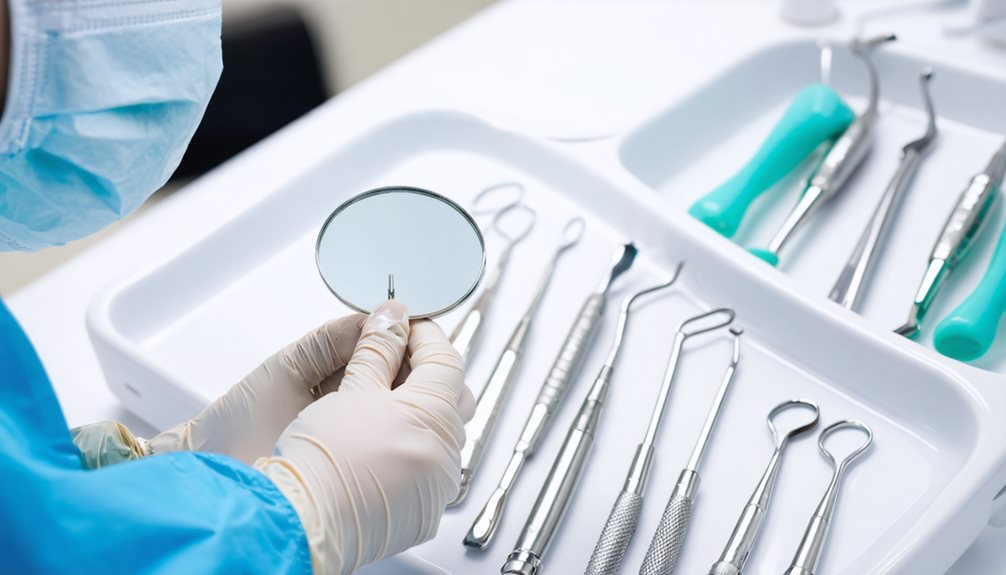
When it comes to oral cancer screening, you’re likely aware of its importance, yet there are strategies you might not have considered. Sure, regular dental check-ups are a start, but what about self-examinations or recognizing those subtle early signs? You might think you’re doing enough by avoiding tobacco, but have you factored in other lifestyle choices and their impact? Your role in education and awareness also plays a vital part. How do these elements weave together to not only detect but prevent oral cancer effectively? Let’s explore these top 10 tips and uncover their significance.
Importance of Regular Screenings
Regular screenings for oral cancer are important in detecting the disease at an early stage, which greatly enhances treatment outcomes. As someone who values control over your health, understanding the appropriate screening frequency is essential. It is generally recommended that individuals with average risk undergo an oral cancer screening annually. However, those with higher risk factors, such as tobacco use or excessive alcohol consumption, should consider more frequent evaluations, possibly every six months. These screenings can be seamlessly integrated into routine dental check-ups, utilizing advanced diagnostic tools to identify any abnormalities.
Incorporating preventative measures into your lifestyle is another important aspect of managing your oral cancer risk. This includes reducing exposure to known carcinogens by avoiding tobacco products and limiting alcohol intake. Additionally, maintaining good oral hygiene and a balanced diet rich in fruits and vegetables can contribute to overall oral health. As these preventative measures align with your goal of taking control of your health, they work synergistically with regular screenings to mitigate the risk of oral cancer. By adhering to these guidelines, you can promote early detection and intervention, greatly improving treatment possibilities and long-term outcomes.
Recognizing Early Warning Signs
To recognize early warning signs of oral cancer, focus on identifying common symptoms such as persistent mouth sores, unexplained bleeding, and difficulty swallowing. Be aware of risk factors like tobacco use, excessive alcohol consumption, and human papillomavirus (HPV) infections. Implement self-examination techniques by regularly checking your mouth for abnormalities and consulting a healthcare professional if you notice any suspicious changes.
Common Symptoms to Watch
When it comes to oral cancer, recognizing early warning signs is essential for timely intervention and better prognoses. You should be vigilant about identifying potential symptoms that could indicate the presence of this condition. One of the primary indicators is the appearance of oral lesions. These lesions may manifest as red or white patches inside the mouth, which persist beyond two weeks. It’s vital to monitor any changes in these lesions, as they can signify abnormal cell growth.
Persistent soreness in the mouth is another symptom warranting close attention. If you experience continuous pain or discomfort that doesn’t subside with standard treatments, it’s important to consult a healthcare professional. This persistent soreness could indicate underlying issues needing further investigation.
Other symptoms include unexplained bleeding, difficulty chewing or swallowing, and numbness in the oral region. Pay attention to any unusual lumps or thickened areas inside the mouth or on the neck. These could be indicative of more serious conditions requiring immediate evaluation.
Risk Factors Awareness
In addition to recognizing symptoms, understanding the risk factors associated with oral cancer greatly enhances early detection efforts. Awareness empowers you to take proactive measures, increasing the likelihood of catching potential issues before they escalate. Key risk factors include:
- Genetic Predisposition: Family history plays a considerable role. If immediate family members have been diagnosed with oral cancer, your risk increases due to shared genetic markers.
- Environmental Factors: Exposure to harmful substances such as tobacco and alcohol considerably elevates cancer risk. These carcinogens can cause cellular damage in the oral cavity, leading to malignant transformations.
- Human Papillomavirus (HPV): Certain strains are linked to oropharyngeal cancers. Knowing your HPV status can offer insights into your risk profile.
Self-Examination Techniques
With vigilance and routine practice, self-examination becomes a powerful tool for recognizing early warning signs of oral cancer. Begin by conducting a mirror examination in a well-lit environment to thoroughly inspect all areas of your mouth. Pay close attention to your tongue, as a detailed tongue inspection can reveal abnormalities. Maintain excellent oral hygiene to guarantee any changes are not concealed by plaque or debris.
Document any symptoms you notice, especially if you have a family history of oral cancer, as this increases your risk. Focus on lesion identification by looking for persistent sores or unusual growths. Be aware of color changes, such as white or red patches, as these can be early indicators. Conduct a texture examination by gently palpating your mouth to detect any lumps or rough areas.
Don’t overlook your neck; perform a lymph node assessment by feeling for swollen nodes under your jaw and around your neck. These can signify underlying issues. Employ self-awareness techniques, consistently reassessing these areas to familiarize yourself with what’s normal for you. By integrating these strategies, you’ll gain control over your oral health and improve early detection capabilities.
Utilizing Advanced Screening Tools
Embracing advanced screening tools in oral cancer detection greatly enhances diagnostic accuracy and early intervention capabilities. By employing cutting-edge technologies, you can increase the likelihood of identifying malignant lesions at an earlier stage, which is essential for effective treatment. Advanced imaging methods such as fluorescence visualization and optical coherence tomography (OCT) offer high-resolution insights into tissue abnormalities, making them indispensable in your diagnostic arsenal.
Consider integrating these advanced diagnostic tools into your practice for superior outcomes:
- Fluorescence Visualization: Utilizes specific wavelengths of light to detect changes in tissue fluorescence, helping identify suspicious areas.
- Optical Coherence Tomography (OCT): Provides cross-sectional imaging of the oral mucosa, allowing for non-invasive evaluation of tissue architecture.
- Brush Biopsy with Computer-Assisted Analysis: Enhances detection of dysplastic cells without the need for invasive scalpel biopsy initially.
These tools empower you to make informed decisions by offering a deeper understanding of oral pathologies. They reduce the chance of false negatives and improve patient outcomes through precise lesion characterization. By mastering these technologies, you maintain control over the screening process, ensuring you deliver the highest standard of care in oral cancer prevention and management. Always stay informed about evolving innovations to keep your practice at the forefront of diagnostic excellence.
Role of Lifestyle in Prevention
You can markedly reduce your risk of oral cancer by addressing key lifestyle factors. Limiting tobacco and alcohol consumption directly decreases carcinogenic exposure, while a diet rich in fruits and vegetables can promote oral health through essential antioxidants. Regular exercise enhances immune function, providing a systemic defense against malignancies.
Tobacco and Alcohol Impact
Understanding the impact of tobacco and alcohol on oral health is essential for effective cancer prevention. Both substances greatly elevate your risk for oral cancer, making it imperative to manage these lifestyle factors. Tobacco cessation should be your top priority since smoking or chewing tobacco introduces carcinogens directly into your oral cavity. This exposure increases cellular mutation risks, which can lead to malignant transformations. Additionally, alcohol moderation is important. Excessive alcohol consumption can exacerbate the harmful effects of tobacco, creating a synergistic effect that intensifies oral cancer risk.
Consider these evidence-based strategies:
- Tobacco cessation programs: Seek professional guidance to create a personalized plan that maximizes your chances of quitting successfully.
- Alcohol moderation techniques: Implement strategies like setting drink limits and choosing alcohol-free days to reduce intake.
- Routine oral examinations: Regular check-ups can detect early signs of oral cancer, especially if you’ve had past exposure to tobacco or alcohol.
Adopting these measures empowers you to regain control over your health. By proactively addressing these risk factors, you greatly decrease your chances of developing oral cancer. Prioritize these changes, and you’ll contribute to a healthier future.
Diet and Oral Health
While managing tobacco and alcohol consumption is essential for oral cancer prevention, attention to diet plays an important role in maintaining oral health. A balanced diet rich in essential nutrients can greatly influence your oral cavity’s integrity and function. Consuming foods high in vitamins A, C, and E, as well as minerals like calcium and magnesium, contributes to robust oral tissues and an enhanced immune response. These nutrients impact cellular repair and regeneration, critical processes in preventing malignant transformations.
Incorporating antioxidant-rich foods, such as berries, leafy greens, and nuts, into your diet can mitigate oxidative stress, a known factor in cancer development. Omega-3 fatty acids, found in fish and flaxseeds, exhibit anti-inflammatory properties, further enhancing oral health. Avoiding excessive sugar and processed foods is imperative, as they promote an acidic environment conducive to pathogenic bacterial growth.
To maintain control over your oral health, prioritize a diet that emphasizes whole foods and minimal processing. Regularly assess your nutritional intake to confirm it aligns with your health goals. By adopting a nutrient-conscious, balanced diet, you can actively contribute to the prevention of oral cancer and the promotion of overall oral well-being.
Exercise and Immune Boosting
Engaging in regular physical exercise has a profound impact on enhancing your immune system, which plays an essential role in preventing oral cancer. Exercise benefits extend beyond general fitness, directly influencing immune support through various mechanisms. When you commit to regular workouts, you elevate blood circulation, which facilitates the efficient transport of immune cells throughout your body. This heightened system readiness is vital for early detection and elimination of abnormal cells.
Consider these exercise benefits for immune support:
- Increased circulation: Promotes immune surveillance and rapid response to potential threats.
- Enhanced lymphatic function: Improves the removal of toxins and cellular waste, reducing infection risk.
- Regulated inflammatory response: Balances cytokine production to prevent chronic inflammation, a known cancer risk factor.
Incorporating a structured exercise regimen into your routine empowers you to take control of your health. Aim for a combination of aerobic activities, such as brisk walking or cycling, and strength training to optimize immune function. Consistency is key; aim for at least 150 minutes of moderate-intensity exercise weekly. This strategic approach to physical activity not only fortifies your immune system but also contributes to a thorough lifestyle strategy for oral cancer prevention.
Understanding Risk Factors
Identifying the risk factors for oral cancer is essential in implementing effective screening and prevention strategies. You can take control by first recognizing that genetic predisposition plays a vital role. If you have a family history of cancer, your risk increases considerably. This inherited genetic makeup might predispose you to cellular abnormalities, making regular screenings even more important.
Environmental factors also contribute to oral cancer risk. Exposure to tobacco smoke, whether through smoking or secondhand inhalation, is a well-documented carcinogen. Alcohol consumption, especially in conjunction with tobacco, compounds the risk. Additionally, consider your exposure to ultraviolet radiation, particularly if you spend extensive time in the sun without protection, as this can affect the lips.
Human papillomavirus (HPV) is another risk factor you should be aware of, with certain strains linked to oral cancers. Understanding these elements allows you to make informed decisions about lifestyle adjustments and preventive measures. By controlling these variables, you can reduce your risk and prioritize regular oral cancer screenings. Remember, awareness and proactive management of these risk factors empower you to maintain ideal oral health and mitigate potential threats.
Choosing the Right Dentist
When selecting a dentist for oral cancer screening, prioritize expertise and specialization in oral oncology. A dentist’s qualifications are pivotal in ensuring an accurate assessment. Look for professionals with advanced training who stay updated on the latest diagnostic techniques and technologies. This specialization enhances the precision and reliability of your screening results.
To make an informed choice, consider the following:
- Dentist Qualifications: Verify certifications and any additional training in oral cancer detection.
- Patient Reviews: Analyze feedback from past patients. Positive reviews can reflect a dentist’s proficiency and patient satisfaction.
- Professional Affiliations: Memberships in professional organizations can indicate commitment to continuous education and standards.
Choosing a dentist with the right qualifications empowers you to take control of your oral health. Patient reviews offer insight into the dentist’s reputation and interpersonal skills, ensuring a comfortable experience during screenings. Additionally, professional affiliations suggest dedication to staying abreast of advancements in oral oncology. By focusing on these parameters, you’re better equipped to select a dentist who meets your needs with precision and care. Remember, the right dentist is an integral partner in safeguarding your oral health against cancer.
Frequency of Screenings Recommended
Regular oral cancer screenings are vital for early detection and improved outcomes. To manage your health effectively, understanding the recommended screening intervals and age recommendations is important. The consensus among healthcare professionals is that individuals aged 20 and above should undergo an oral cancer screening every three years. However, as you reach the age of 40, annual screenings become the standard recommendation. This change in frequency is based on the increased risk factors associated with aging and potential lifestyle factors such as tobacco and alcohol use.
For individuals with a history of oral cancer or those with high-risk factors, more frequent screenings may be necessary. Your healthcare provider might suggest biannual screenings to monitor any changes closely. It’s important to discuss your personal risk factors with your dentist or healthcare provider to tailor the screening intervals specifically to your needs.
Staying informed and adhering to these age recommendations empowers you to take proactive steps in your health management. By maintaining regular screenings, you greatly enhance the likelihood of identifying any anomalies at an early stage, thereby improving treatment options and outcomes. Consistent screening practices are a vital component of thorough oral health care.
Integrating Screening With Routine Checkups
Incorporating oral cancer screening into routine checkups enhances early detection, which is essential for improving prognosis. Utilize efficient screening techniques, such as visual and tactile examinations, to maximize the use of appointment time without compromising accuracy. Regularly educate your patients about the significance of these screenings to increase their engagement and awareness.
Importance of Early Detection
Early detection of oral cancer greatly improves treatment outcomes and survival rates. By integrating regular screenings into your routine checkups, you can leverage the screening benefits that ultimately lead to early intervention. The key is understanding the value and methods of detection available to you. Consider these compelling reasons:
- Increased Survival Rates: Early-stage detection of oral cancer can raise the five-year survival rate greatly, giving you more control over your health outcomes.
- Minimized Treatment Complexity: Identifying cancer early often results in less invasive treatments, which can preserve quality of life and reduce recovery time.
- Cost-Effectiveness: Early detection can lead to lower overall healthcare costs by decreasing the need for extensive treatments and hospital stays.
Leveraging screening benefits begins with awareness of available detection methods, such as visual exams and adjunctive tools like fluorescence imaging. These methods are non-invasive and can be seamlessly integrated into your dental visits. By prioritizing early detection, you’re taking a proactive approach to your health, ensuring you stay informed and in control. Remember, knowledge and timely action are your best defenses against the progression of oral cancer. Stay vigilant, and make screening an integral part of your healthcare regimen.
Efficient Screening Techniques
Understanding the significance of early detection paves the way for employing efficient screening techniques during routine checkups. You can seamlessly integrate these screenings into your practice by utilizing high tech imaging and oral brush biopsy. High tech imaging, such as autofluorescence or tissue reflectance, provides a non-invasive method to identify suspicious lesions. These technologies enhance visualization of abnormal tissue, allowing you to pinpoint areas that need further investigation.
Incorporating an oral brush biopsy into your routine exams offers a reliable, minimally invasive method for collecting cells from suspect lesions. This technique requires no anesthesia and involves gently scraping the lesion’s surface to gather a sample. Laboratory analysis of these samples can detect cellular changes indicative of dysplasia or malignancy.
Educating Patients Regularly
When educating patients regularly, it’s crucial to integrate oral cancer screenings seamlessly during routine checkups. This approach guarantees early detection and increases patient engagement. Begin by informing patients about the significance of regular screenings and provide clear, concise information on the process. Use these opportunities to empower them with knowledge, fostering a proactive attitude towards their oral health.
- Patient Resources: Supply informative brochures and access to credible online content to reinforce the importance of screenings.
- Educational Workshops: Organize workshops that highlight the risks, signs, and preventive measures associated with oral cancer.
- Personalized Communication: Tailor discussions to each patient’s specific risk factors, guaranteeing they understand their unique screening needs.
By offering a structured educational framework, you enhance patient compliance and awareness. Utilize evidence-based data to address common misconceptions and emphasize the role of lifestyle choices in oral cancer risk. During these interactions, focus on delivering precise terminology and actionable advice. This empowers patients to make informed decisions regarding their oral health.
Incorporating educational elements into routine checkups not only facilitates early detection but also strengthens the clinician-patient relationship. By prioritizing patient education, you create an environment where patients feel informed, engaged, and in control of their health outcomes.
Patient Education and Awareness
A crucial aspect of oral cancer prevention is ensuring patient education and awareness, as informed individuals are more likely to participate in regular screenings and adopt preventive measures. Your role in fostering this awareness begins with providing patient support through thorough educational resources. Utilize pamphlets, digital content, and workshops to convey essential information about risk factors, symptoms, and the significance of early detection. By equipping patients with accurate knowledge, you empower them to make informed decisions regarding their oral health.
Community outreach is another important strategy in raising awareness. By partnering with local organizations, schools, and health fairs, you can extend your educational efforts beyond the clinical setting. These initiatives not only increase awareness but also strengthen community ties and trust. Consider organizing informational sessions or collaborating with local media to disseminate valuable insights on oral cancer prevention.
Additionally, adopt an evidence-based approach by integrating the latest research findings into your educational materials. Highlight statistics that underscore the significance of regular screenings and demonstrate the impact of lifestyle modifications. By maintaining a focus on control and precision, you’ll create a well-informed patient base, prepared to actively engage in their oral health management.
Benefits of Early Detection
Detecting oral cancer at an early stage greatly enhances treatment outcomes and survival rates. As someone who desires control over your health, understanding the benefits of early detection is essential. Early diagnosis allows for less invasive treatments, minimizing potential complications and improving post-treatment quality of life. By incorporating effective prevention strategies, you can greatly reduce the risk of progression.
- Increased survival rates: Early detection leads to higher five-year survival rates, often exceeding 80%, compared to late-stage detection.
- Cost-effective treatment: Early-stage interventions are less costly and less resource-intensive, offering financial relief.
- Enhanced quality of life: Early treatment often preserves important oral functions, such as speech and swallowing, which are critical for daily living.
Employing prevention strategies like regular dental check-ups and avoiding known risk factors such as tobacco use, empowers you to stay ahead of potential issues. By prioritizing routine screenings, you can catch abnormalities before they escalate into advanced cancer. This proactive approach not only safeguards your health but also guarantees you maintain autonomy over treatment decisions. Remember, early detection is a powerful tool in enhancing survival rates and maintaining control over your well-being.
Frequently Asked Questions
What Is the Cost of an Oral Cancer Screening?
When considering oral cancer screening, you’ve got to evaluate screening frequencies and make cost comparisons. Typically, costs can vary considerably, depending on the provider and location, but expect a range from $20 to $90 per screening session.
Are There Any Side Effects of Oral Cancer Screenings?
In oral cancer screenings, you’ll experience minimal side effects. They’re generally non-invasive, enhancing oral health. Any discomfort is rare, ensuring screening accuracy. Your proactive approach maintains control over potential risks, safeguarding your well-being effectively.
Can Oral Cancer Screenings Be Painful?
Oral cancer screenings are generally not painful. Screening techniques prioritize patient comfort, utilizing non-invasive methods. Effective pain management guarantees minimal discomfort. If you experience discomfort, communicate with your clinician to adjust the procedure for maximum comfort.
How Long Does an Oral Cancer Screening Take?
You’ll find an oral cancer screening typically lasts 5-10 minutes. When scheduling your appointment, guarantee time for thorough evaluation. Knowledge of screening duration aids in efficient appointment scheduling, allowing you to maintain control over your healthcare routine.
Is Oral Cancer Screening Covered by Insurance?
Insurance policies typically cover oral cancer screenings, but coverage limits vary. Review your plan’s specifics to guarantee understanding of benefits. Contact your provider to clarify any questions, confirming you’ve got control over your healthcare decisions.

