
When considering what coverage insurance offers for oral cancer screening, you might find the details more complex than expected. Insurance policies often differ, with some classifying screenings under routine dental exams while others see them as specialized services. This can influence whether your screening is fully covered as preventive care or if there are restrictions. Maneuvering these nuances is essential to guarantee you maximize your benefits and avoid unexpected costs. But how do you determine what your specific plan offers and what steps can you take to guarantee ideal coverage? There’s more to uncover about this critical healthcare topic.
Understanding Oral Cancer Screenings
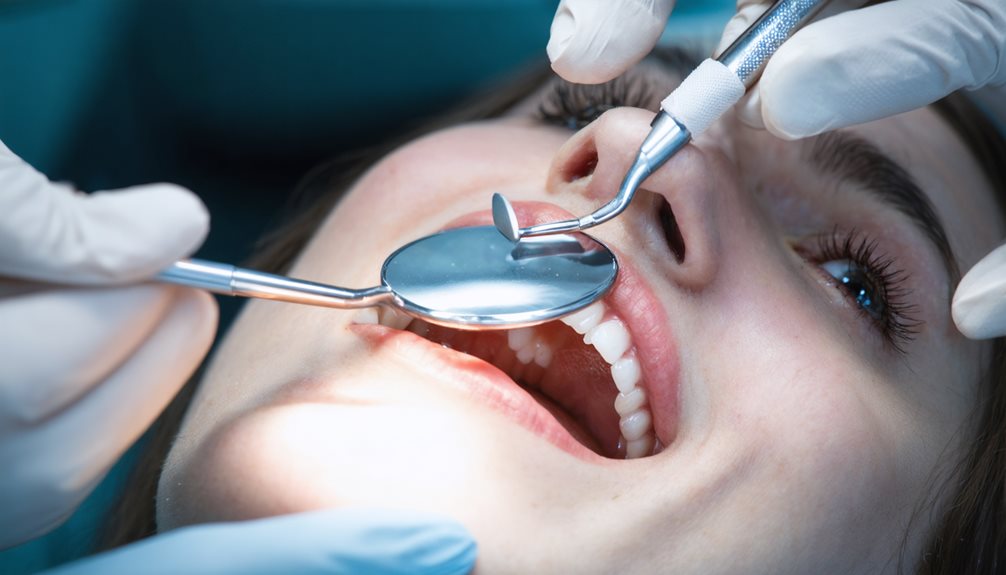
Oral cancer screenings are an essential component of preventive healthcare, aiming to detect early signs of cancerous or precancerous conditions in the mouth. When you undergo an oral cancer screening, your healthcare provider systematically examines your oral cavity for abnormalities. They might use visual and tactile methods to detect lesions, discolored patches, or unusual growths. This thorough examination often includes the lips, tongue, gums, cheeks, and the roof and floor of your mouth. It’s a proactive approach to identify potential issues before they escalate into serious health threats.
Understanding the technical aspects of an oral cancer screening empowers you to take charge of your preventive care. Typically, your healthcare provider will assess risk factors such as your age, tobacco use, and alcohol consumption, which can elevate your risk for oral cancer. Utilizing specialized tools like a light or dye can enhance visibility of suspicious areas, providing a more extensive evaluation. By engaging in regular screenings, you greatly increase the chance of early detection, which is vital for successful treatment outcomes. Staying informed and proactive in your healthcare decisions guarantees that you maintain control over your oral health.
Insurance Policies and Coverage
Steering through the complexities of insurance policies is crucial when considering coverage for oral cancer screenings. You need to understand how policy variations and coverage limitations can impact your access to these essential screenings. Policies differ considerably between providers, which means you must scrutinize your plan’s specifics. Here’s what you should focus on:
- Policy Variations: Insurance policies are not uniform. Some might cover screenings as part of routine dental exams, while others classify them as specialized services, affecting coverage levels.
- Coverage Limitations: Be aware that certain plans may impose restrictions, such as frequency of screenings or specific eligibility criteria. Understanding these limitations can prevent unexpected out-of-pocket costs.
- In-Network vs. Out-of-Network: Check if your preferred dental providers are within your insurance network. Utilizing out-of-network services often results in reduced coverage or higher personal expenses.
- Pre-Authorization Requirements: Some insurers require pre-authorization for oral cancer screenings. Failing to obtain it can lead to denied claims.
Maximizing Your Dental Benefits
To maximize dental benefits effectively, it is vital to adopt a strategic approach that involves carefully analyzing your insurance plan’s provisions. Begin by reviewing the specific coverage options available for oral cancer screening within your dental insurance. Understanding the limitations and exclusions in your plan is essential for optimizing the use of your benefits.
Focus on the preventive care component of your policy, as many plans cover screenings as part of their preventive services. Confirm the frequency at which these screenings are covered and any co-payments or deductibles involved. This guarantees you’re not caught off guard by unexpected expenses.
Next, schedule regular consultations with your dental provider to align their recommendations with your insurance coverage options. Discuss any potential procedures that may be covered under your plan, confirming they are medically necessary and pre-approved to avoid denied claims.
Additionally, stay informed about any changes to your policy, such as updated benefit limits or newly included services, which could impact your coverage. By maintaining meticulous records and being proactive in understanding your dental benefits, you can effectively manage your oral health expenses and make informed decisions about your care.
Frequently Asked Questions
Are There Any Preventive Measures Covered by Insurance for Oral Cancer?
You might find that insurance policies often cover preventive services for oral cancer, like screenings. However, coverage specifics can vary widely. Analyzing your policy details guarantees you understand the preventive measures included and maintain control over your health.
Can Oral Cancer Screening Be Done at Home?
You can perform a self-examination for oral cancer at home using home testing kits designed for preliminary checks. However, these are not substitutes for professional screenings. Analyze any unusual findings thoroughly and consult a healthcare provider for accuracy.
Do All Dentists Provide Oral Cancer Screening Services?
Not all dentists offer oral cancer screenings. Their qualifications and expertise vary. When selecting a dentist, inquire about their screening techniques, ensuring they’re trained in the latest methods. This empowers you to make informed decisions about your oral health.
How Often Should One Undergo Oral Cancer Screening?
You should prioritize your oral health by having an oral cancer screening annually. This screening frequency helps detect abnormalities early, giving you control over potential issues. Regular screenings guarantee you’re proactive in maintaining ideal oral health status.
Are There Alternative Insurance Options for Individuals Without Dental Coverage?
You can explore alternative payment options like discount programs to manage costs without dental coverage. Analyze various plans’ benefits, eligibility criteria, and provider networks to guarantee you choose a solution that aligns with your financial and healthcare priorities.

