
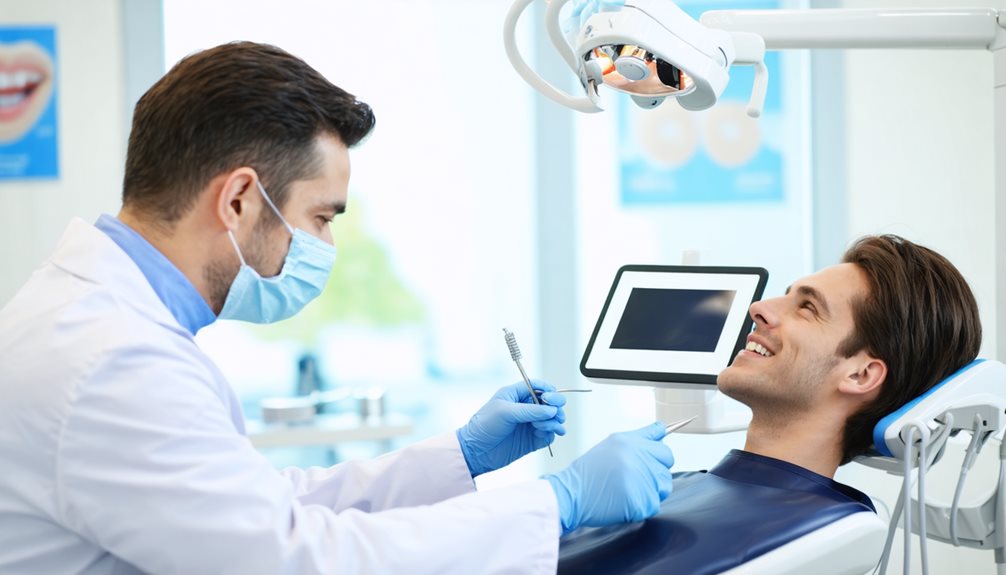
When you’re considering an oral cancer screening, selecting the right local dentist is essential. It’s not just about finding someone nearby; you need a professional with excellent patient reviews and specialized knowledge in oral cancer detection. This choice could greatly influence your oral health, especially when early detection is key. But how do you identify a dentist who not only performs thorough screenings but also values communication and patient education? Let’s explore what you should look for and how these factors play a role in safeguarding your health.
Importance of Early Detection
Early detection’s critical role in oral cancer screenings cannot be overstated. It provides you with a significant advantage in managing your oral health effectively. When you prioritize early detection, you’re actively participating in cancer awareness, empowering yourself to spot potential issues before they advance. Oral cancer, like many cancers, can be silent in its initial stages, making regular screenings an essential part of your healthcare regimen.
By staying informed and vigilant, you’re taking control of your health. Early detection allows for more treatment options, often with less invasive procedures and a higher success rate. You’re not just reacting to potential problems; you’re actively preventing them. This proactive approach aligns with your desire for control over your health outcomes.
Incorporating routine oral cancer screenings into your oral health practices demonstrates a commitment to a thorough approach to wellness. You’re not only looking after your teeth and gums but also safeguarding yourself against serious conditions. By understanding the importance of early detection, you’re placing yourself in the best possible position to maintain your health. Keep in mind that your proactive efforts can make a significant difference in your overall well-being.
Choosing the Right Dentist
Having emphasized the value of early detection, it’s equally important to select the right dental professional for your oral health needs. Your choice of dentist can greatly impact the quality of care you receive, especially when it comes to oral cancer screenings. To make an informed decision, start by examining patient reviews. These reviews will provide insight into the dentist’s expertise, communication skills, and overall patient satisfaction. Look for consistent positive feedback that highlights the practitioner’s attention to detail and thoroughness during screenings.
Next, assess the dentist’s qualifications. Verify their educational background and any specialized training in oral cancer detection. A qualified dentist should have a solid foundation in identifying early signs of oral cancer and be committed to ongoing professional development. Don’t hesitate to ask about their experience with oral cancer screenings and any affiliations with professional dental organizations, which can be indicators of their commitment to excellence.
Ultimately, choosing the right dentist involves balancing their professional qualifications with patient feedback. By doing so, you create a supportive partnership dedicated to safeguarding your oral health. With the right dentist, you can confidently take control of your health and well-being.
What to Expect During a Screening
Stepping into the dentist’s office for an oral cancer screening can be a straightforward and reassuring experience. You’ll be greeted by a professional team dedicated to making the screening procedure as comfortable and informative as possible. The process generally begins with a review of your medical history, allowing the dentist to understand any potential risk factors. This is an essential step in tailoring the screening to your specific needs.
During the examination, the dentist will conduct a thorough visual inspection of your mouth, including your lips, gums, and the soft tissues inside your mouth. They’re trained to spot any abnormalities, such as red or white patches, or any lumps. The screening procedure may also involve gently palpating your neck and the floor of your mouth to check for any unusual masses or swelling.
You can expect clear communication throughout the patient experience, with your dentist explaining each step and addressing any concerns you might have. This empowers you with the knowledge to make informed decisions about your oral health. Ultimately, the goal of the screening is to guarantee your well-being and peace of mind, providing a proactive approach to your dental care.
Frequently Asked Questions
How Often Should Oral Cancer Screenings Be Scheduled?
You should schedule oral cancer screenings annually during your dental checkups. This screening frequency guarantees early detection and management of potential issues, giving you control over your oral health while benefiting from professional expertise and preventative care.
Are Oral Cancer Screenings Covered by Insurance?
You’ll need to check your insurance policies to determine if oral cancer screenings are covered. Coverage options vary greatly, so contact your provider for specific details and guarantee you maintain control over your oral health care choices.
Can Lifestyle Changes Reduce the Risk of Oral Cancer?
Yes, lifestyle changes can reduce oral cancer risk. Focus on improving dietary habits by eating more fruits and vegetables. Commit to smoking cessation for significant risk reduction. Taking charge of these areas empowers you to enhance your health.
What Age Should Oral Cancer Screenings Begin?
You should start oral cancer screenings at age 18, especially if you have risk factors like tobacco use or heavy alcohol consumption. Early detection is essential for effective treatment and enhances your control over your health outcomes.
Are There Any Home Tests for Oral Cancer Detection?
You won’t find reliable home tests for oral cancer detection currently available. Professional screenings offer superior accuracy. Early detection methods by dental experts guarantee thorough evaluation, empowering you with control over your health decisions and potential outcomes.

