
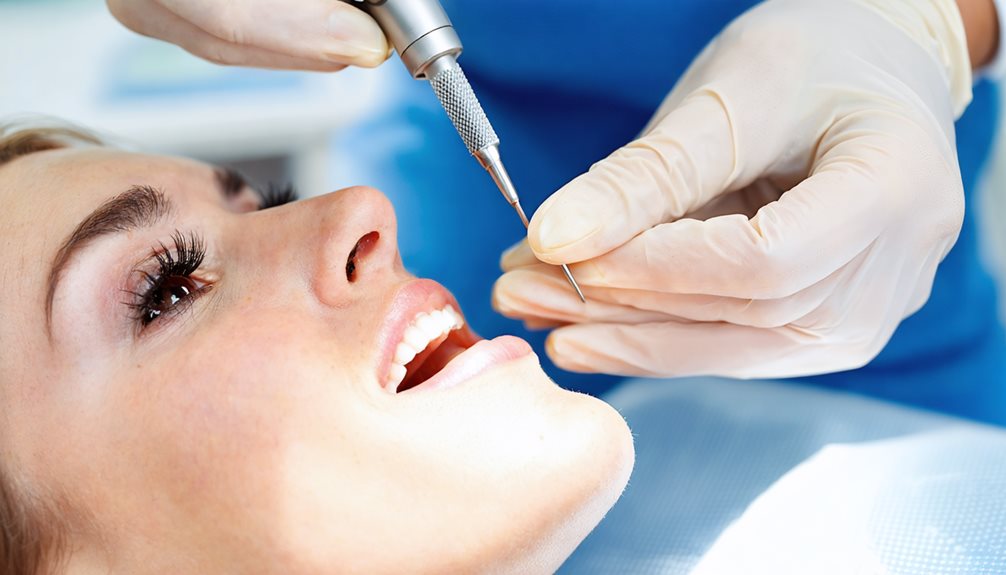
When it comes to oral cancer screening, relying on a specialist can make a significant difference in your health journey. You might wonder why a specialist’s touch matters. They have the expertise to spot subtle signs that a general practitioner might miss, ensuring early detection. With advanced diagnostic tools at their disposal, specialists enhance accuracy, offering you peace of mind. Personalized care approaches mean your unique risks are considered, creating a tailored screening plan just for you. So, what exactly makes these specialists stand out in the field of oral cancer detection?
Expertise in Early Detection
When selecting a specialist for oral cancer screening, it is crucial to evaluate their expertise in, and commitment to, early detection. You should prioritize professionals who demonstrate a thorough understanding of symptom identification and risk assessment. A specialist with extensive training in recognizing subtle changes in oral tissues can greatly impact the early detection of potential malignancies. They should be adept at identifying precancerous lesions, leukoplakia, erythroplakia, and other anomalies that might escape less trained eyes.
Moreover, their proficiency in conducting detailed risk assessments can’t be overstated. They should evaluate factors such as tobacco use, alcohol consumption, HPV status, and family history to stratify risk accurately. This enables them to tailor screening protocols that fit your specific profile, guaranteeing no critical detail is overlooked.
You want a specialist who remains current with the latest research on oral cancer trends and integrates this knowledge into their practice. Their ability to synthesize data from clinical examinations and personal risk factors ensures you receive a precise and individualized screening process. By choosing a specialist who excels in these areas, you gain control over your preventative health strategy, empowering you to take proactive measures against oral cancer.
Advanced Diagnostic Tools
Having established the importance of choosing a specialist skilled in early detection, it’s also essential to contemplate the advanced diagnostic tools they employ. Specialists utilize innovative technologies that elevate the accuracy of oral cancer screenings. These tools are not just enhancements; they’re transformative in ensuring reliable results. When you opt for an expert, you’re tapping into cutting-edge advancements like digital imaging systems and optical fluorescence devices. These technologies provide precise imaging, enabling specialists to detect anomalies with remarkable clarity.
Digital imaging, for instance, offers high-resolution visuals that reveal lesions invisible to the naked eye. This method improves diagnostic precision, allowing for a more informed assessment of potential cancerous changes. Meanwhile, optical fluorescence devices harness light to highlight abnormal cellular activity, further enhancing the specialist’s ability to pinpoint areas of concern.
Personalized Care Approaches
Tailoring oral cancer screening to your unique needs is paramount in guaranteeing thorough care. A specialist understands the importance of patient-centered care and is equipped to develop tailored treatments that address your specific risk factors and health status. By focusing on personalized care approaches, they maximize the effectiveness of screenings and subsequent interventions. This guarantees that you’re not just another case, but a valued individual with unique needs.
Consider the following elements that a specialist might incorporate in your personalized care plan:
- Comprehensive Risk Assessment: Evaluating lifestyle factors, family history, and genetic predispositions to refine your screening protocol.
- Customized Screening Schedule: Designing a timetable based on your specific risk profile, guaranteeing timely detection and intervention.
- Advanced Imaging Techniques: Utilizing state-of-the-art technology to provide a detailed analysis tailored to your oral health landscape.
Frequently Asked Questions
What Lifestyle Changes Can Reduce the Risk of Oral Cancer?
To reduce oral cancer risk, improve your dietary habits by incorporating antioxidants and fiber-rich foods. Prioritize tobacco cessation to eliminate carcinogen exposure. Regularly monitor alcohol intake, and maintain oral hygiene to exert control over your health outcomes.
How Often Should One Undergo Oral Cancer Screening?
You should undergo oral cancer screening annually. Regular check-ups enhance early detection. Screening frequency might increase if you have risk factors like tobacco use or a family history. Consult your dentist to tailor screening intervals to your needs.
Is Oral Cancer Screening Covered by Insurance?
Check your insurance policy to determine coverage for oral cancer screening. Many plans include screening benefits, but specifics vary. Understanding your policy empowers you to fully utilize available preventive services and maintain control over your healthcare decisions.
Are There Specific Symptoms Indicating the Need for Screening?
You’re aware that persistent mouth sores, unexplained bleeding, or difficulty swallowing could indicate a need for screening. Early detection through symptom awareness is vital. Recognizing these signs empowers you to take control of your oral health.
What Should I Expect During an Oral Cancer Screening Appointment?
During your appointment, expect a thorough visual examination of your mouth and throat. The specialist will use advanced screening techniques to detect abnormalities, ensuring early detection. You’ll gain valuable insights into your oral health’s status and potential risks.

