
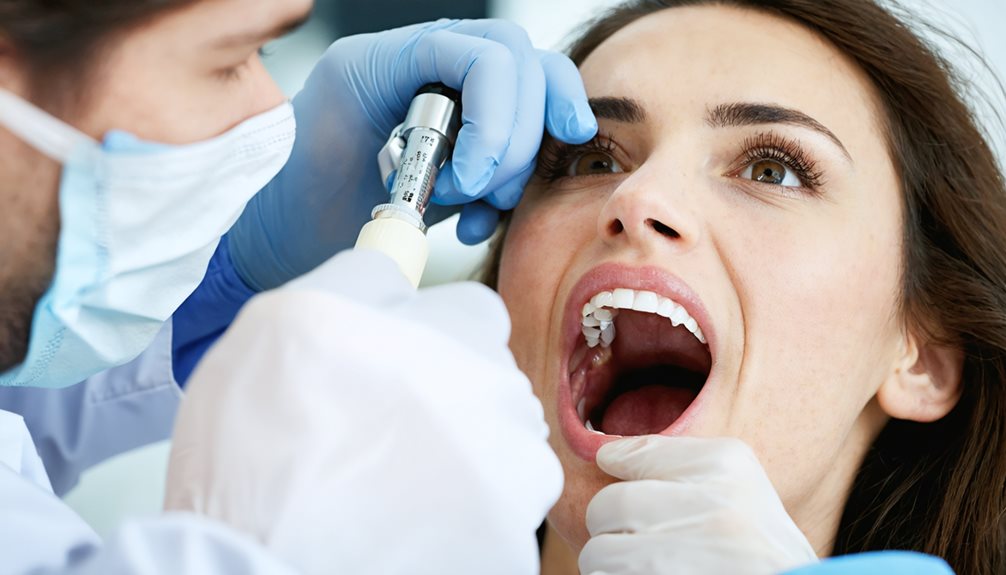
When you consider the importance of oral cancer screenings, you might wonder why it’s vital to prioritize those conducted by experts. Early detection is key, and professionals possess the advanced skills to spot even the most subtle signs that can often be missed by an untrained eye. Their expertise guarantees that any potential issues are identified promptly, increasing the chances of successful treatment. But what exactly makes an expert’s evaluation so important, and how does it differ from a routine check-up? Understanding these nuances can transform your approach to oral health.
Importance of Early Detection
Early detection of oral cancer greatly improves treatment outcomes and survival rates. As someone seeking control over your health, it’s essential to understand the importance of symptoms awareness and identifying risk factors. Oral cancer can present with subtle symptoms such as persistent sores, lumps, or changes in tissue texture. Recognizing these early signs empowers you to act promptly, seeking professional evaluation before the disease progresses.
Risk factors such as tobacco use, alcohol consumption, and HPV infection greatly elevate your chances of developing oral cancer. By being informed of these risks, you can make proactive lifestyle changes and engage in regular monitoring. Studies have shown that patients diagnosed at an early stage have a five-year survival rate of over 80%, compared to a notably lower rate for those diagnosed at advanced stages.
Developing a keen awareness of potential symptoms and understanding risk factors enables you to take charge of your health. Making informed decisions about routine screenings and lifestyle choices can dramatically influence your prognosis. Remember, the earlier you detect any abnormalities, the more options you’ll have for effective treatment, thereby maintaining control over your health journey.
Expertise in Screening Techniques
An array of advanced screening techniques is essential for the accurate detection of oral cancer at its earliest stages. As someone who values precision and control over health outcomes, you understand the importance of specialized training and advanced technology in achieving this goal. Experts in oral cancer screening utilize state-of-the-art tools and methodologies that go beyond the basic visual inspections. These professionals are equipped with the knowledge and skills necessary to identify subtle lesions and anomalies that could be easily overlooked by the untrained eye.
Consider the emotional impact of knowing you’re taking decisive action against a potential health threat:
- Peace of mind: Trust that you’re receiving the most thorough examination possible.
- Empowerment: Understand your health status with concrete evidence.
- Hope: Benefit from early interventions that improve survival rates.
Benefits of Professional Evaluation
While expertise in screening techniques sets the foundation for accurate oral cancer detection, the true advantages emerge through professional evaluation. You gain access to professional tools that amplify diagnostic precision, such as advanced imaging technologies and biopsy instruments. These tools allow experts to identify subtle variations in tissue morphology that may elude a less trained eye. This precision guarantees early intervention, which is critical in improving treatment outcomes and survival rates.
Professional evaluation is not just about identification; it’s about thorough patient education. Experts equip you with evidence-based insights regarding risk factors, preventive strategies, and lifestyle modifications. This education empowers you to make informed decisions about your oral health. You’ll understand the significance of regular screenings, even in the absence of symptoms, and how they contribute to early detection.
Moreover, professional evaluations facilitate a personalized approach to care. Clinicians consider your specific health history, genetic predispositions, and lifestyle factors to tailor recommendations. This individualized attention guarantees that you receive the most effective interventions. By leveraging professional tools and prioritizing patient education, expert evaluations enhance your control over oral health, enabling proactive management of potential cancer risks.
Frequently Asked Questions
What Is the Typical Duration of an Oral Cancer Screening Appointment?
Your oral cancer screening appointment typically lasts around 10-15 minutes. During the screening process, make certain your appointment preparation includes discussing any symptoms or concerns. This efficient timeframe allows experts to detect potential issues promptly and effectively.
Are There Any Risks or Side Effects Associated With Oral Cancer Screenings?
Oral cancer screenings are non-invasive with minimal risk. Screening accuracy is high, but false positives can cause patient anxiety. Evidence-based practices guarantee accurate diagnosis, mitigating concerns and empowering you to make informed decisions about your health management.
How Often Should Individuals Undergo Oral Cancer Screenings?
You should undergo oral cancer screenings annually. However, screening frequency may increase based on risk factors like tobacco use, alcohol consumption, or family history. It’s essential to tailor screenings to your specific risk profile for best outcomes.
Can Lifestyle Changes Reduce the Need for Frequent Oral Cancer Screenings?
By implementing dietary adjustments and tobacco cessation, you can potentially decrease oral cancer risks. However, evidence indicates that these changes don’t eliminate the necessity for regular screenings, as early detection remains essential in clinical management and prognosis.
What Symptoms Might Indicate the Need for an Immediate Oral Cancer Screening?
If you notice unusual lesions or experience persistent pain in your mouth, it’s essential to seek an immediate oral cancer screening. These signs could indicate pathological changes. Early detection empowers you to make informed decisions about treatment options.

