
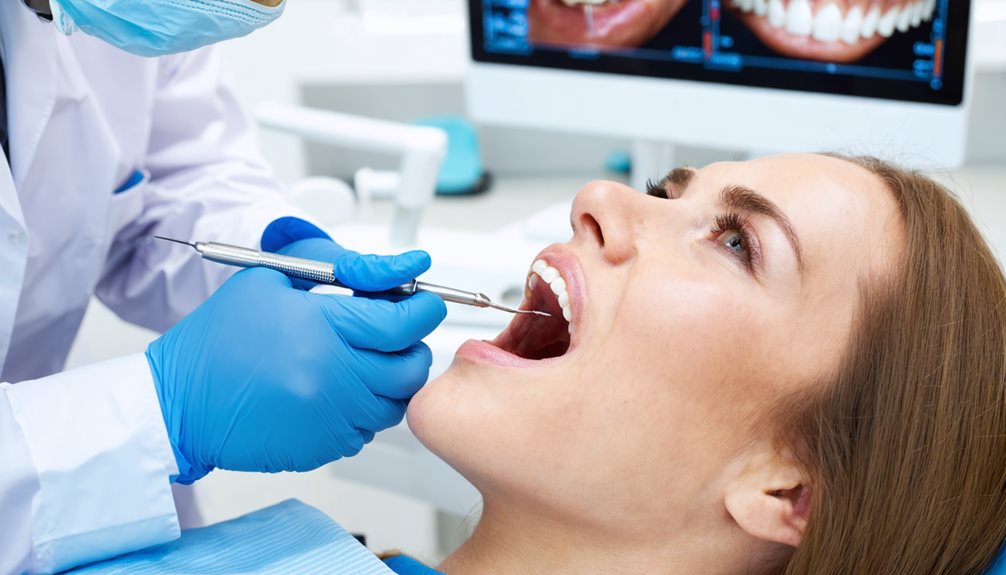
You might wonder why oral cancer screenings should be a regular part of your healthcare routine. It’s about more than just early detection; these screenings can considerably impact survival rates by catching issues before they escalate. By scheduling regular check-ups, you not only safeguard against cancer but also uncover other potential oral health concerns that might go unnoticed. This proactive approach is essential for timely intervention and maintaining overall health. But how do you choose the right dentist and guarantee you’re getting the best care possible? Let’s explore the factors that make a screening truly effective.
Importance of Early Detection
Early detection of oral cancer is essential for improving patient outcomes and survival rates. As someone who values control over your health, understanding the importance of early diagnosis is critical. Identifying oral cancer at an initial stage can dramatically increase the effectiveness of treatment options. When oral cancer is caught early, the five-year survival rate can be as high as 80-90%. This starkly contrasts with late-stage diagnosis, where survival rates drop markedly.
Paying attention to risk factors is fundamental in managing your oral health. Key risk factors for oral cancer include tobacco use, excessive alcohol consumption, human papillomavirus (HPV) infection, and prolonged sun exposure leading to lip cancer. Recognizing these factors enables you to mitigate potential risks and take proactive measures.
Incorporating early diagnosis into your health strategy means staying vigilant for symptoms like persistent mouth sores, unexplained bleeding, or a lump in the neck. By doing so, you empower yourself to seek medical advice promptly, thereby facilitating early intervention. Remember, control over your health starts with awareness and informed action. Prioritizing early detection and understanding risk factors can greatly enhance your ability to manage oral cancer proactively.
Benefits of Regular Screenings
Regular oral cancer screenings offer substantial advantages in the early detection and management of the disease. By adhering to an appropriate screening frequency, you enhance your ability to identify precancerous lesions or early-stage malignancies, when intervention is most effective. Early detection greatly improves prognosis and increases the range of treatment options available, often leading to less invasive procedures and better outcomes.
Incorporating regular screenings into your healthcare regimen empowers you to take proactive steps in maintaining ideal oral health. The health benefits of consistent screenings extend beyond cancer detection. These evaluations can also identify other oral health issues, such as infections, inflammatory conditions, and systemic diseases with oral manifestations. By catching these conditions early, you mitigate the risk of progression and potential complications.
Furthermore, regular screenings contribute to your overall well-being by fostering a sense of control over your health. You gain the peace of mind that comes from knowing you’re taking thorough measures to protect yourself. By prioritizing regular oral cancer screenings, you invest in a preventive approach that supports longevity and quality of life. This proactive strategy underscores the critical role of screening frequency in safeguarding your health.
Choosing the Best Dentist
Selecting the right dentist for your oral cancer screenings is vital to guaranteeing accurate evaluations and effective early detection. Prioritize dentist qualifications when making your choice. Look for professionals with specialized training in oral pathology or those who have a substantial history of performing oral cancer screenings. Board certification and membership in professional organizations, such as the American Dental Association, can further validate their expertise.
Patient reviews are invaluable resources in evaluating a dentist’s competence and patient care quality. Scrutinize reviews for insights on the dentist’s thoroughness during examinations, their communication skills, and how they address patient concerns. Positive reviews highlighting a dentist’s attentiveness and ability to explain complex medical concepts clearly are strong indicators of their capability and dedication.
Additionally, consider the dentist’s technological resources. Advanced diagnostic tools, such as VELscope or brush biopsies, can enhance the accuracy of screenings. A dentist who invests in the latest technology demonstrates a commitment to providing high-quality care.
Ultimately, selecting a dentist with the right qualifications and positive patient reviews empowers you to take control of your oral health. Making an informed choice guarantees that you receive precise, early detection essential in combating oral cancer effectively.
Frequently Asked Questions
What Are the Common Risk Factors for Developing Oral Cancer?
You should know that tobacco use considerably elevates oral cancer risk. Alcohol consumption further compounds this risk. Genetic predispositions and HPV infections also contribute. Maintaining awareness of these factors empowers you to make informed decisions about your health.
How Often Should I Schedule an Oral Cancer Screening?
Schedule oral cancer screenings annually to maintain ideal oral health. If you have risk factors such as tobacco use or a family history, increase screening frequency to every six months. Early detection greatly enhances treatment outcomes and survival rates.
Are There Specific Symptoms to Watch for Between Screenings?
You should monitor for unusual growths or persistent sores in your mouth. These symptoms could indicate potential oral cancer developments. Early detection empowers you to take control and seek timely medical intervention, enhancing outcomes considerably.
Can Lifestyle Changes Reduce the Risk of Oral Cancer?
You can considerably reduce your oral cancer risk by implementing tobacco cessation and optimizing dietary habits. Prioritize a diet rich in fruits and vegetables, and avoid tobacco products to maintain control over your oral health.
Is Oral Cancer Hereditary or Linked to Genetic Factors?
You should know that oral cancer has a genetic predisposition, with family history playing a vital role. If relatives have had it, you’re at higher risk. Understanding these genetic links empowers you to take proactive health measures.

