
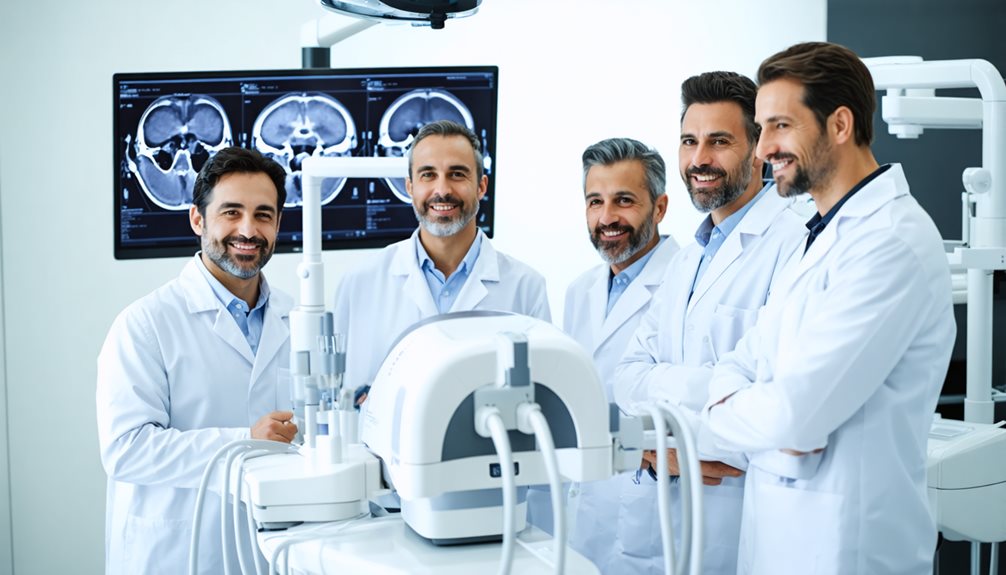
You’re probably aware that early detection is essential in combating oral cancer, but how do you find experts who can truly make a difference? Top-rated oral cancer screening professionals are now being revealed, and they’re not just using traditional methods. These experts employ cutting-edge techniques like optical coherence tomography, staying at the forefront of innovation. Their dedication to ongoing education and personalized care sets them apart. With patient testimonials praising their thorough evaluations and comforting approach, you might wonder what exactly makes these professionals so highly recommended. Curious about who they are and where to find them?
Leading Clinics for Oral Cancer Screening
When it comes to oral cancer screening, leading clinics are at the forefront of utilizing cutting-edge technologies and evidence-based practices to guarantee early detection and effective management. You’re likely to encounter clinics that employ advanced diagnostic techniques, such as optical coherence tomography and salivary diagnostics, which provide precise insights into cellular alterations indicative of malignancy. These methodologies, grounded in rigorous research, enable clinicians to identify neoplastic changes at a stage where intervention is most successful.
Clinics committed to excellence in oral cancer screenings prioritize early detection methods, leveraging tools like VELscope and Vizilite. These adjunctive devices enhance visual examination, allowing for the identification of lesions invisible to the naked eye. By incorporating these methods, clinics assure that you maintain control over your health outcomes, catching potential issues before they progress.
Your choice of a clinic should be informed by their integration of these advanced diagnostic techniques. Clinics that are leaders in this field often participate in ongoing research, assuring their practices reflect the latest advancements. By choosing such clinics, you empower yourself with evidence-based strategies that maximize the chances of early intervention and successful treatment.
Renowned Dentists Specializing in Screenings
Several renowned dentists specialize in oral cancer screenings, leveraging their expertise and dedication to early detection. These professionals employ advanced screening techniques, such as fluorescence visualization and toluidine blue staining, to identify precancerous lesions with high sensitivity. When you seek their services, you’re accessing cutting-edge technology backed by robust clinical research.
Patient experiences consistently highlight the proficiency of these dentists in providing a thorough examination while maintaining patient comfort. You’ll find their approach both meticulous and compassionate, guaranteeing you’re informed at every step of the process. Dentists specializing in oral cancer screenings typically integrate evidence-based practices into their diagnostic regimen, which enhances the accuracy and reliability of their evaluations. By attending to individual risk factors such as tobacco use or a family history of cancer, they tailor their screening protocols to suit your specific needs.
Their commitment to continuing education guarantees they remain abreast of the latest advancements in oral cancer detection. This dedication translates into improved patient outcomes, reducing the incidence of late-stage diagnosis. By choosing these specialists, you exercise control over your oral health, entrusting it to experts who prioritize early detection and effective intervention.
Highly Recommended Screening Professionals
Among the ranks of highly recommended screening professionals, you’ll find practitioners who excel in the early detection of oral cancer. These experts integrate cutting-edge screening technologies with a personalized approach, guaranteeing thorough evaluations. Their proficiency in utilizing adjunctive tools, such as VELscope or autofluorescence devices, enhances their ability to identify dysplastic lesions at an early stage, when intervention is most effective.
Patient testimonials play an essential role in distinguishing these professionals. They often highlight the practitioner’s commitment to patient-centered care and the thoroughness of examinations. By analyzing both qualitative and quantitative data from patient feedback, these experts continuously refine their methodologies, elevating their diagnostic accuracy and patient satisfaction.
Consider the following factors when selecting a screening professional:
- Expertise in Screening Technologies: Look for practitioners who are proficient in the latest diagnostic tools to guarantee accurate assessments.
- Evidence of Positive Patient Outcomes: Seek professionals with a track record of successful early detections, supported by patient testimonials.
- Commitment to Continuing Education: Prioritize those who stay updated with the latest research and advancements in oral oncology.
Choosing the right professional empowers you to take an active role in your oral health management, guaranteeing early detection and intervention.
Frequently Asked Questions
What Are the Early Signs of Oral Cancer?
You should monitor for early symptoms like persistent mouth sores, unexplained bleeding, or difficulty swallowing. Visual indicators include white or red patches. Evidence-based research shows these signs may warrant further evaluation for oral cancer. Stay proactive.
How Often Should One Undergo Oral Cancer Screening?
You should undergo oral cancer screening annually, especially if risk factors like tobacco use or heavy alcohol consumption are present. Screening frequency might increase based on research findings and your dentist’s evidence-based recommendations tailored to your specific needs.
Are There Any Non-Invasive Screening Methods Available?
Yes, you can consider non-invasive methods like saliva tests and imaging techniques. Research shows saliva tests identify biomarkers effectively. Imaging techniques, such as fluorescence visualization, provide detailed oral assessments, enhancing early detection and patient control.
Can Oral Cancer Be Hereditary?
You can consider oral cancer hereditary as genetic factors play a role. A family history increases your risk. Research indicates that specific gene mutations can contribute, so understanding your genetic predisposition helps in managing your health proactively.
What Lifestyle Changes Can Reduce Oral Cancer Risk?
To reduce oral cancer risk, prioritize dietary habits rich in fruits and vegetables. Implement tobacco cessation strategies immediately. Evidence-based research highlights these actions considerably lower risk, empowering you to take control of your health proactively.

